What if your own immune system could defeat cancer? This year’s Nobel Prize for medicine, awarded to James Allison and … More

Freelance science/technology journalist and author
What if your own immune system could defeat cancer? This year’s Nobel Prize for medicine, awarded to James Allison and … More
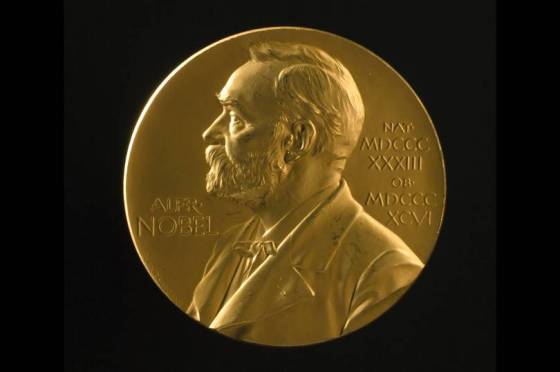
The 2018 Nobel prize for physics has been awarded to three researchers who specialise in using powerful lasers to study … More

Diets involving replacement shakes, smoothies and soups are often dismissed as fad or crash diets, with no long-term potential for … More
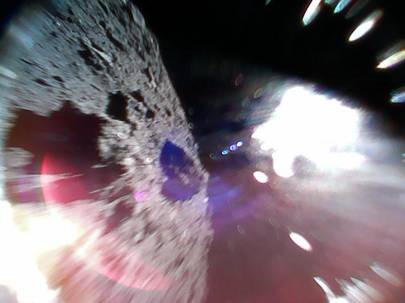
The Japanese space agency made history earlier this week when they landed a rover on an asteroid for the first … More
Whether it’s robots coming to take your job or AI being used in military drones, there is no shortage of horror … More

It sounds too good to be true, but scientists may have found a way for you to eat as much … More

When you eat a piece of tuna, you may not realise it, but many other sea creatures could have been … More
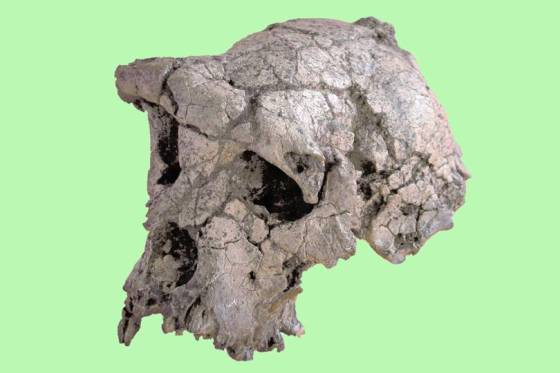
Technology has a history almost as old as humankind. When humans first lived in Africa, they began creating tools made … More

The cables that bring you high-speed internet could provide a cheaper and more efficient alternative to the traditional ways of … More
中国のアリババが、人工知能(AI)で都市を管理統制するプロジェクトをマレーシアに展開する。すでに杭州市では交通渋滞が緩和された実績がある一方で、収集された膨大なデータにはプライヴァシー侵害やハッキング、情報流出のリスクがある。商業利用の可能性もあるなか、どこまで「技術の倫理」を徹底できるのか。 TEXT BY ABIGAIL BEALL TRANSLATION BY MAYUMI HIRAI/GALILEO Read more on Wired Japan
 Abigail Beall